
 English
 日本
日本 한국인
한국인 Français
 Deutsch
 español
 Italiano
 Portugal
 Việt Nam
 türkiye
 عرب
عرب Русский
 čeština
 แบบไทย
 Eesti
Eesti Gaeilge
 Hmoob
Hmoob íslenskur
 Cymraeg
 български
 اردو
اردو Polski
 Hrvatski
 українська
 bosanski
 فارسی
فارسی lietuvių
 latviski
 עִברִית
 Română
 Ελληνικά
 dansk
dansk Magyar
 norsk
norsk Suomalainen
 Nederlands
 svenska
 slovenský
 Slovenščina
 हिंदी
हिंदी Indonesia
 Melayu
 Malti
Malti Kreyòl ayisyen
 català
 বাংলা
বাংলা Српски
 o'zbek

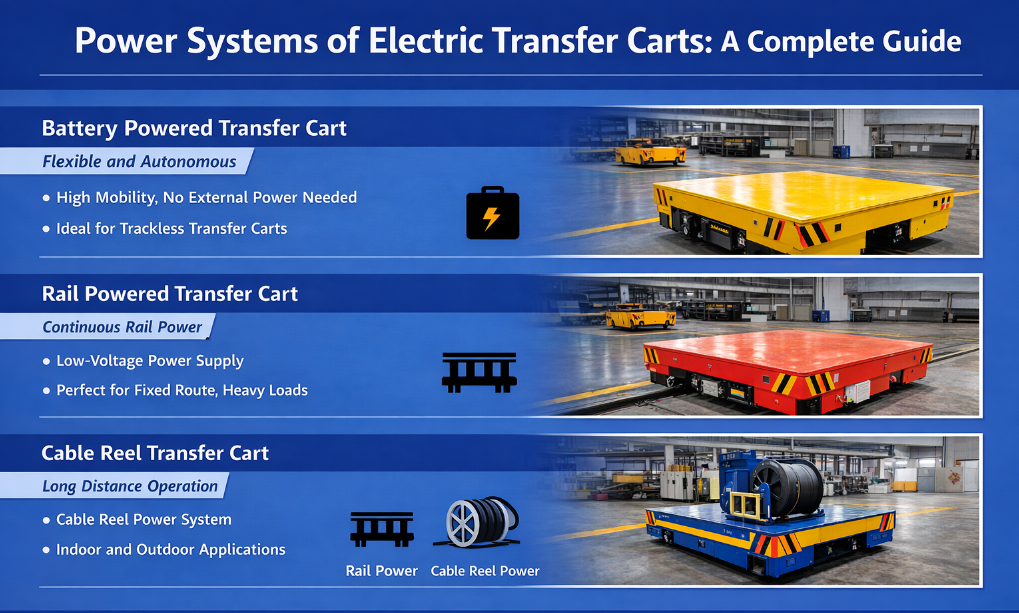
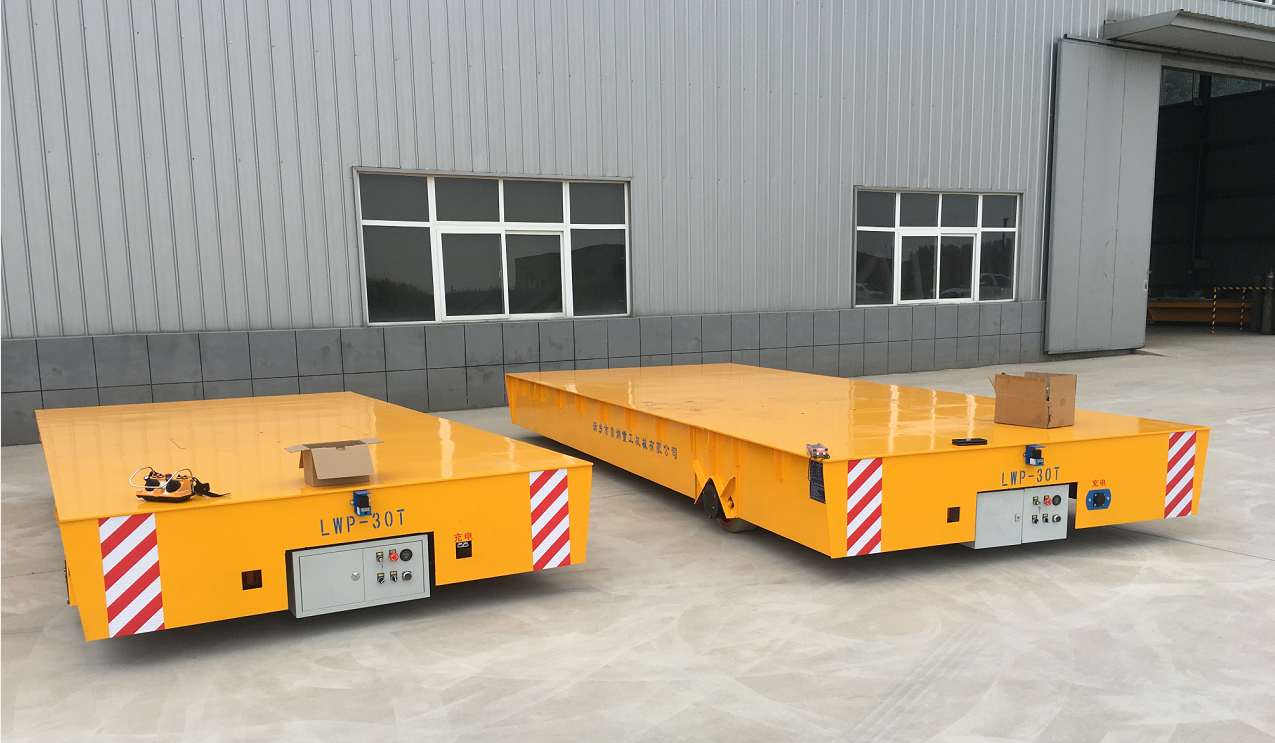
Battery-powered Electric Transfer Carts are fully independent, ideal for trackless transfer carts. Advantages include low noise, low maintenance, and flexibility for multiple workshops. The main drawback is limited battery life, requiring regular charging.
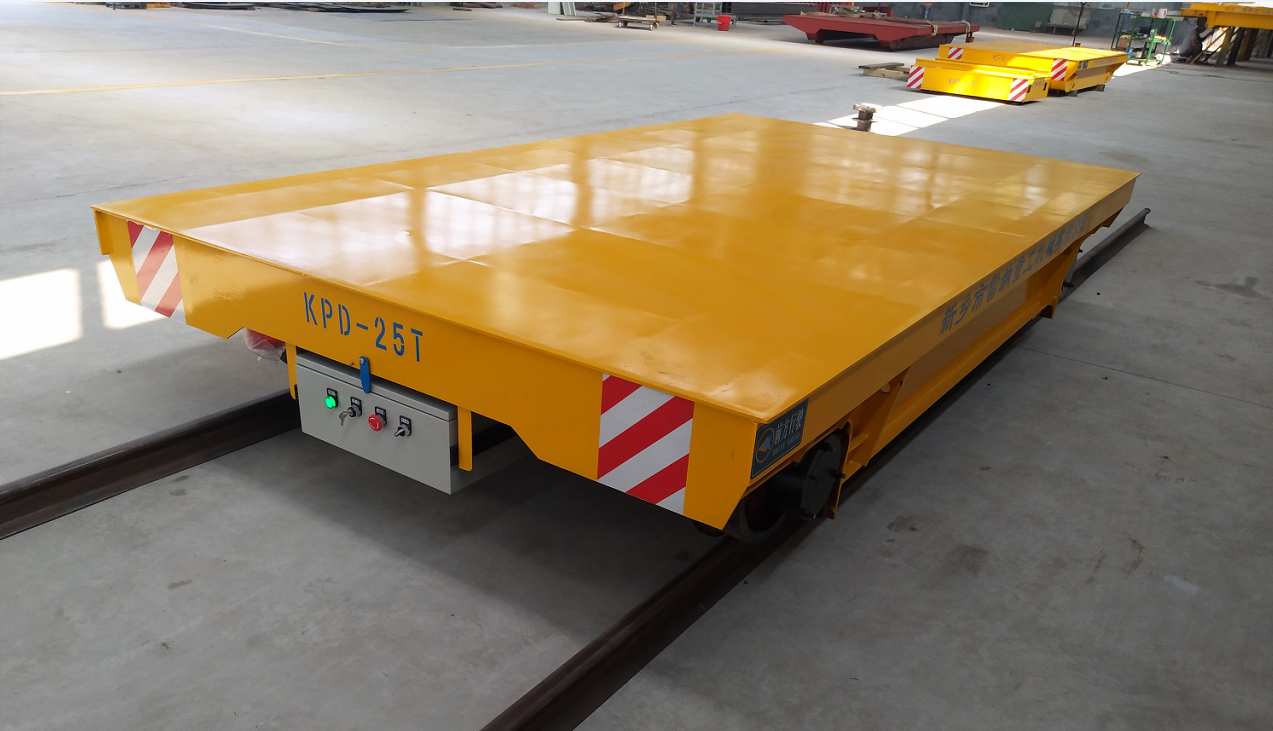
Rail-powered Electric Transfer Carts draw power from conductors on the rails, suitable for fixed high-frequency transport. Benefits include stable, continuous power for heavy loads. The drawback is high rail installation cost and limited flexibility.
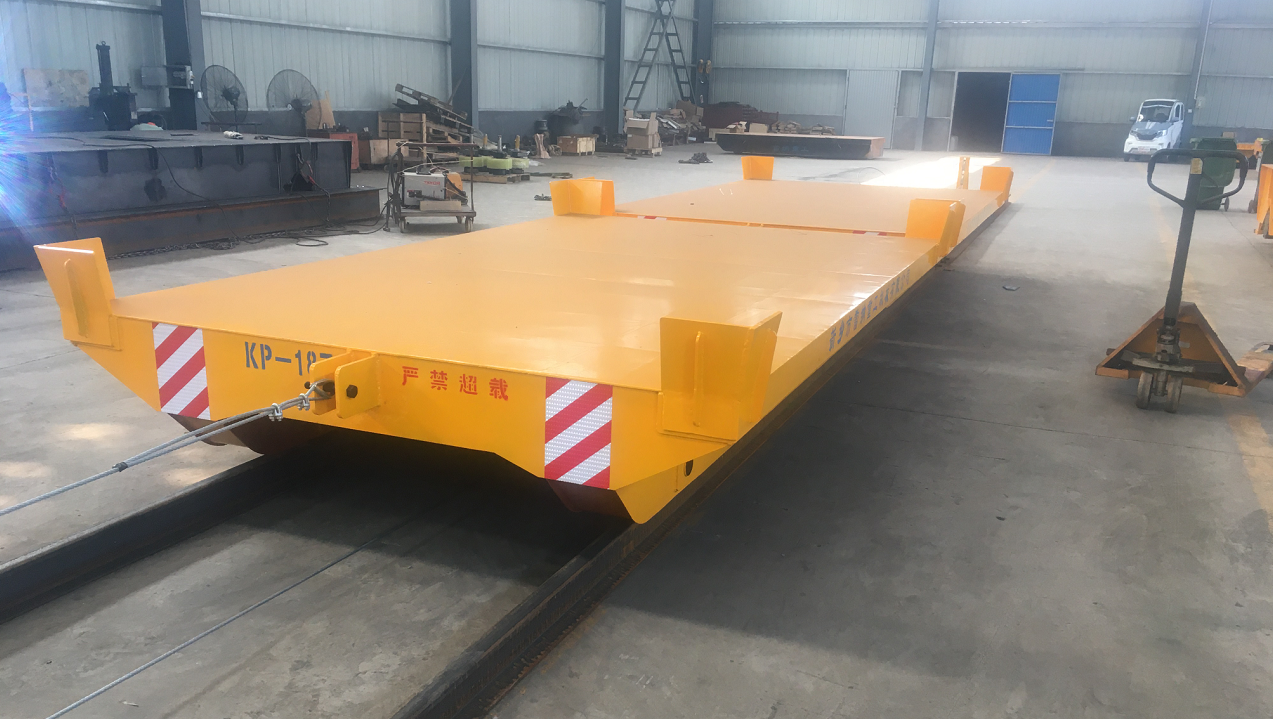
Trolley or cable-powered Electric Transfer Carts connect to a fixed power source via a cable reel, suitable for medium-to-heavy loads. Advantages include continuous power and lower cost; disadvantages include path limitations and cable management requirements.
Diesel or hybrid Electric Transfer Carts use diesel engines to generate electricity for the motor, ideal for outdoor or long-distance transport. Advantages include high power and independence from external power. Disadvantages include emissions, noise, and high maintenance.
Selecting the right power supply for an Electric Transfer Cart improves efficiency, reduces costs, and ensures safety. Whether it's a Rail Transfer Cart, Trackless Transfer Cart, or Coil Transfer Cart, the choice should match factory layout and transport requirements.