

 English
 日本
日本 한국인
한국인 Français
 Deutsch
 español
 Italiano
 Portugal
 Việt Nam
 türkiye
 عرب
عرب Русский
 čeština
 แบบไทย
 Eesti
Eesti Gaeilge
 Hmoob
Hmoob íslenskur
 Cymraeg
 български
 اردو
اردو Polski
 Hrvatski
 українська
 bosanski
 فارسی
فارسی lietuvių
 latviski
 עִברִית
 Română
 Ελληνικά
 dansk
dansk Magyar
 norsk
norsk Suomalainen
 Nederlands
 svenska
 slovenský
 Slovenščina
 हिंदी
हिंदी Indonesia
 Melayu
 Malti
Malti Kreyòl ayisyen
 català
 বাংলা
বাংলা Српски
 o'zbek
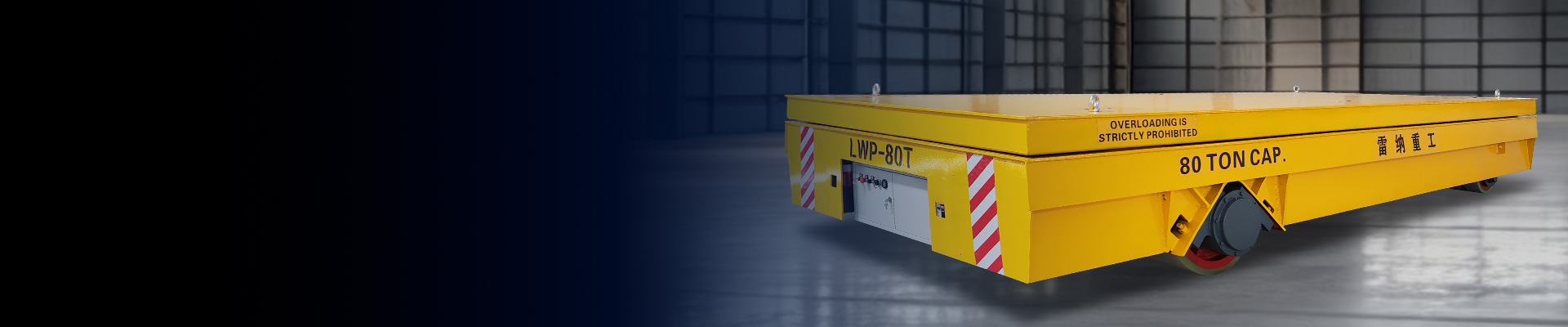
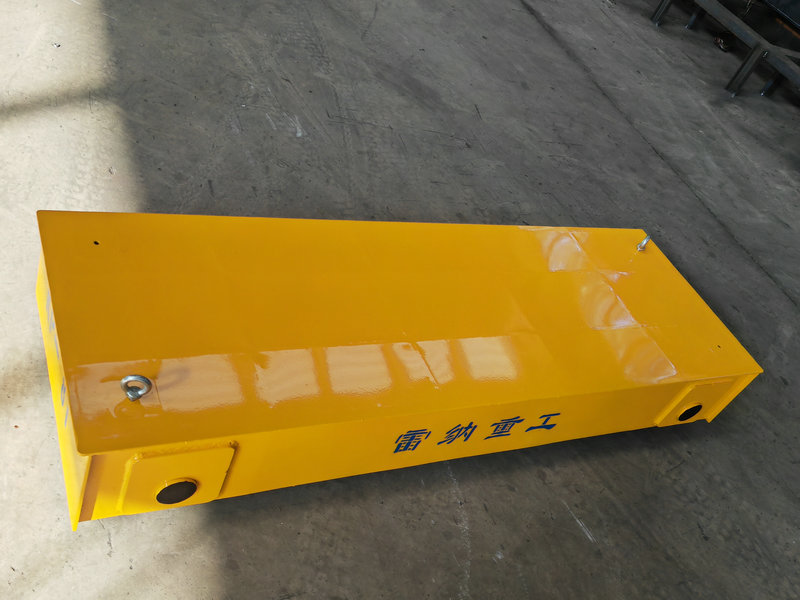
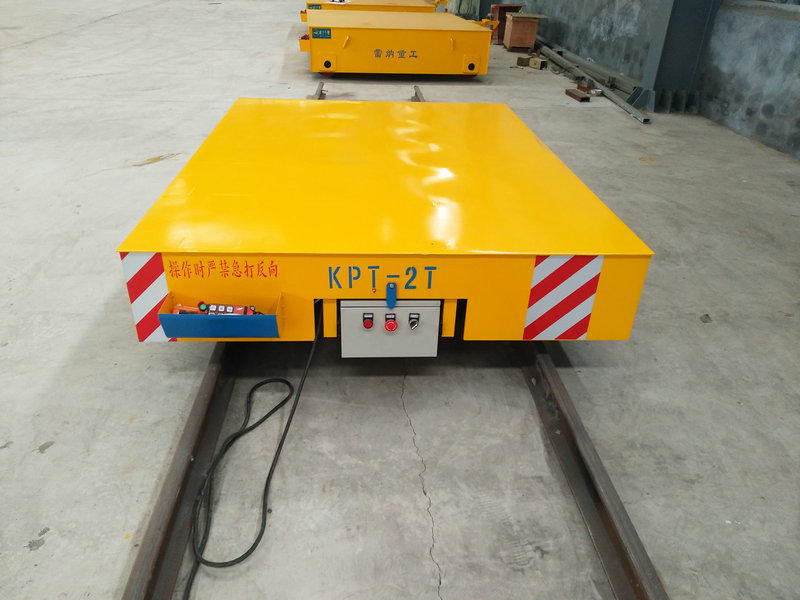
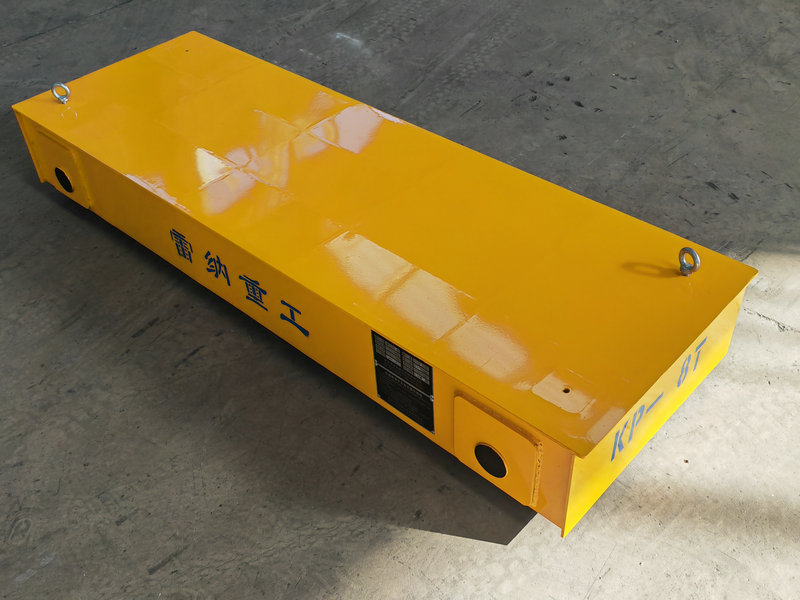
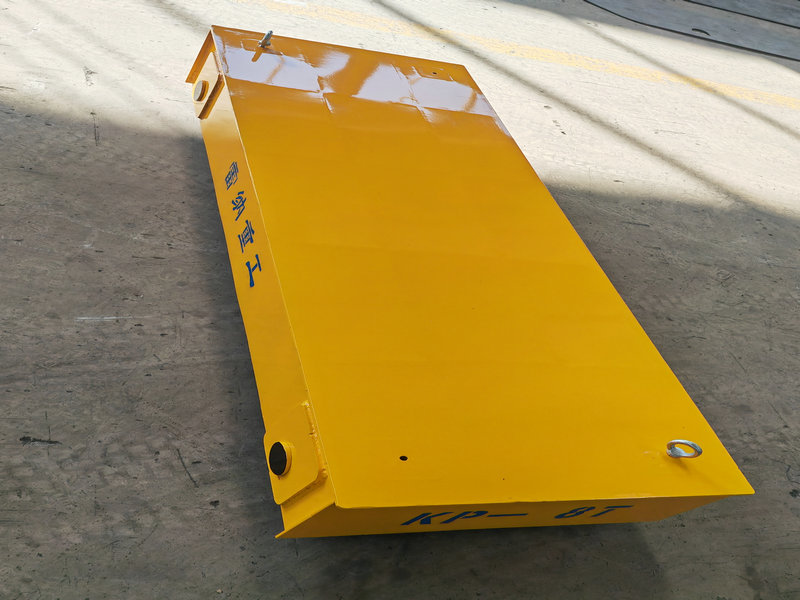
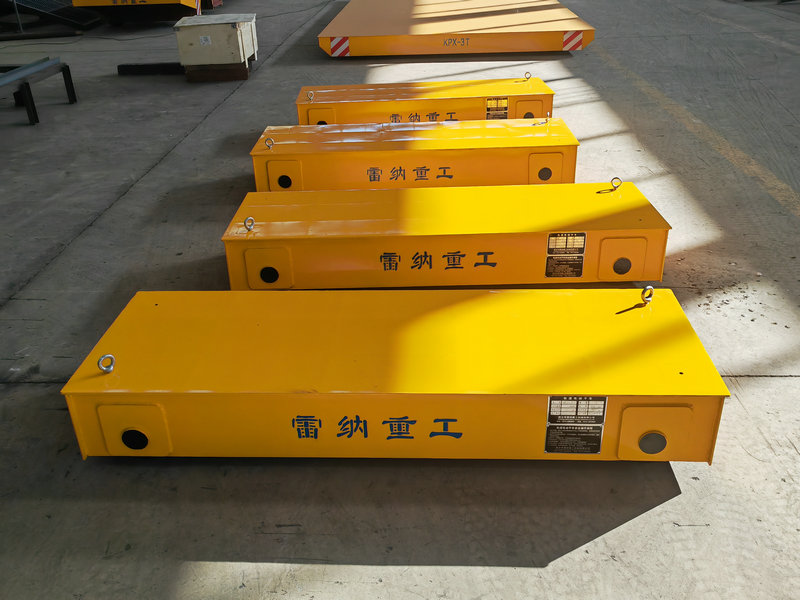
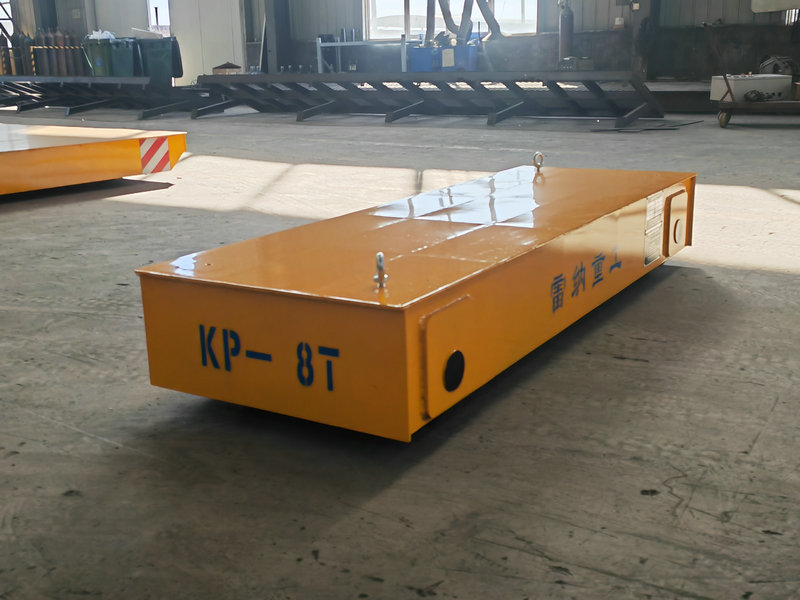
The Manual Type Rail Transfer Trolley Without Electric Drive is a simple, durable, and cost-effective material handling solution designed for short-distance transport of heavy loads along fixed rail tracks in workshops, warehouses, and production areas.
This non-powered trolley is ideal for applications that do not require frequent movement or powered operation, offering reliability, safety, and minimal maintenance.
Product Overview
This trolley operates without any electric motor or power system. It is moved manually or by external force, such as a forklift, towline, or winch.
Guided by steel rails, it ensures stable, linear movement while carrying materials, molds, tools, or other heavy items.
Its robust structure and low cost make it suitable for occasional transport tasks and limited workshop spaces.
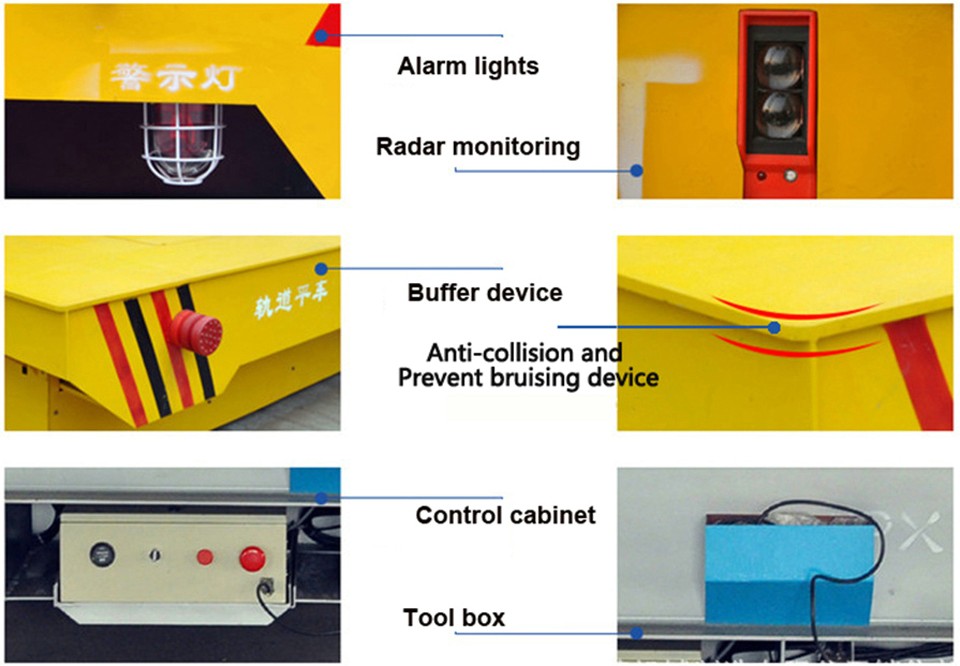

Structural Features
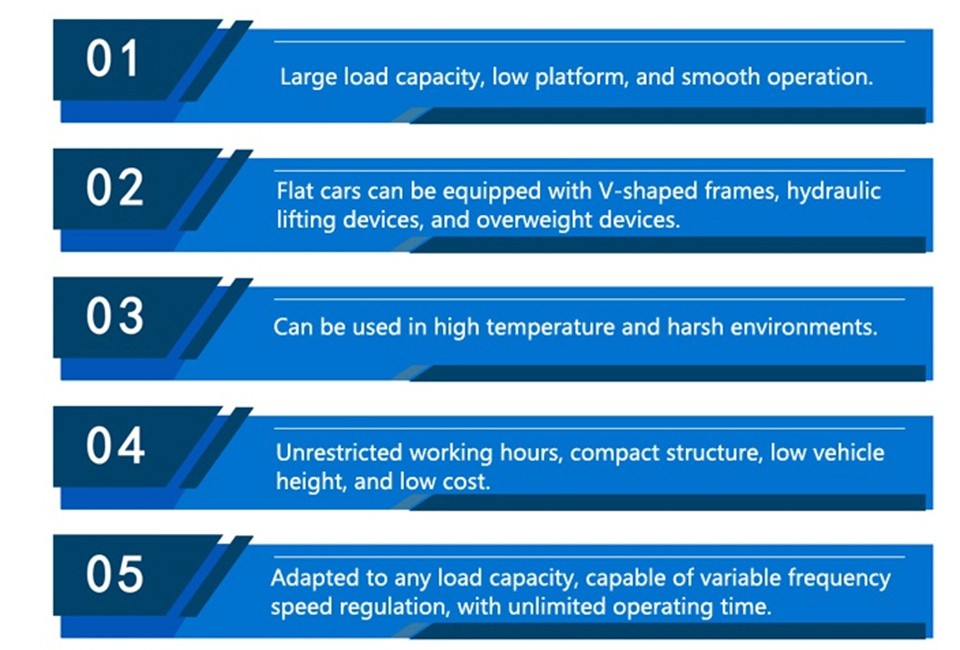
Load Capacity: 1–150 tons (customized).
Frame Structure: Heavy-duty welded steel frame (Q235B / Q345B).
Platform Type: Flat deck or customized V/U-frame for special loads.
Wheel Type: Solid forged steel wheels with high wear resistance.
Rail Gauge: 1435 mm standard or tailored to site requirements.
Running Mode: Manual push or tow connection with powered equipment.
Advantages
Simple & Reliable Design
No electrical components — safe, easy to operate, and maintenance-free.
Strong mechanical frame ensures long service life under heavy loads.
Cost-Effective Solution
No energy consumption or complex control system.
Ideal for occasional or low-speed transport applications.
Flexible Operation
Can be manually pushed by workers for light loads.
Can be towed by forklifts, overhead cranes, or powered carts for heavier loads.
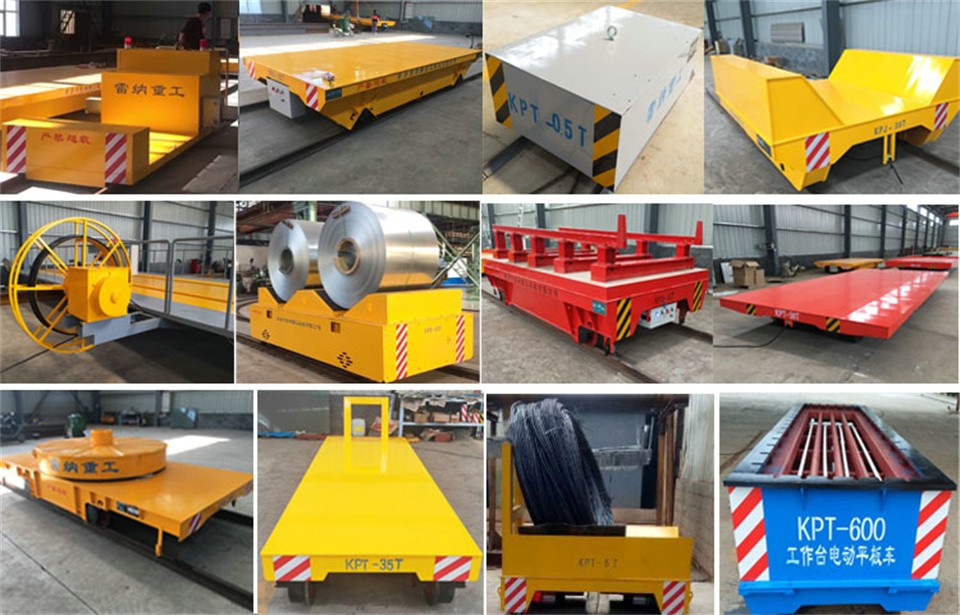
Customizable Platform
Optional deck configurations: flatbed, coil cradle, or side frames.
Can be equipped with tow bar, coupler, or buffers for safety and convenience.
Applications
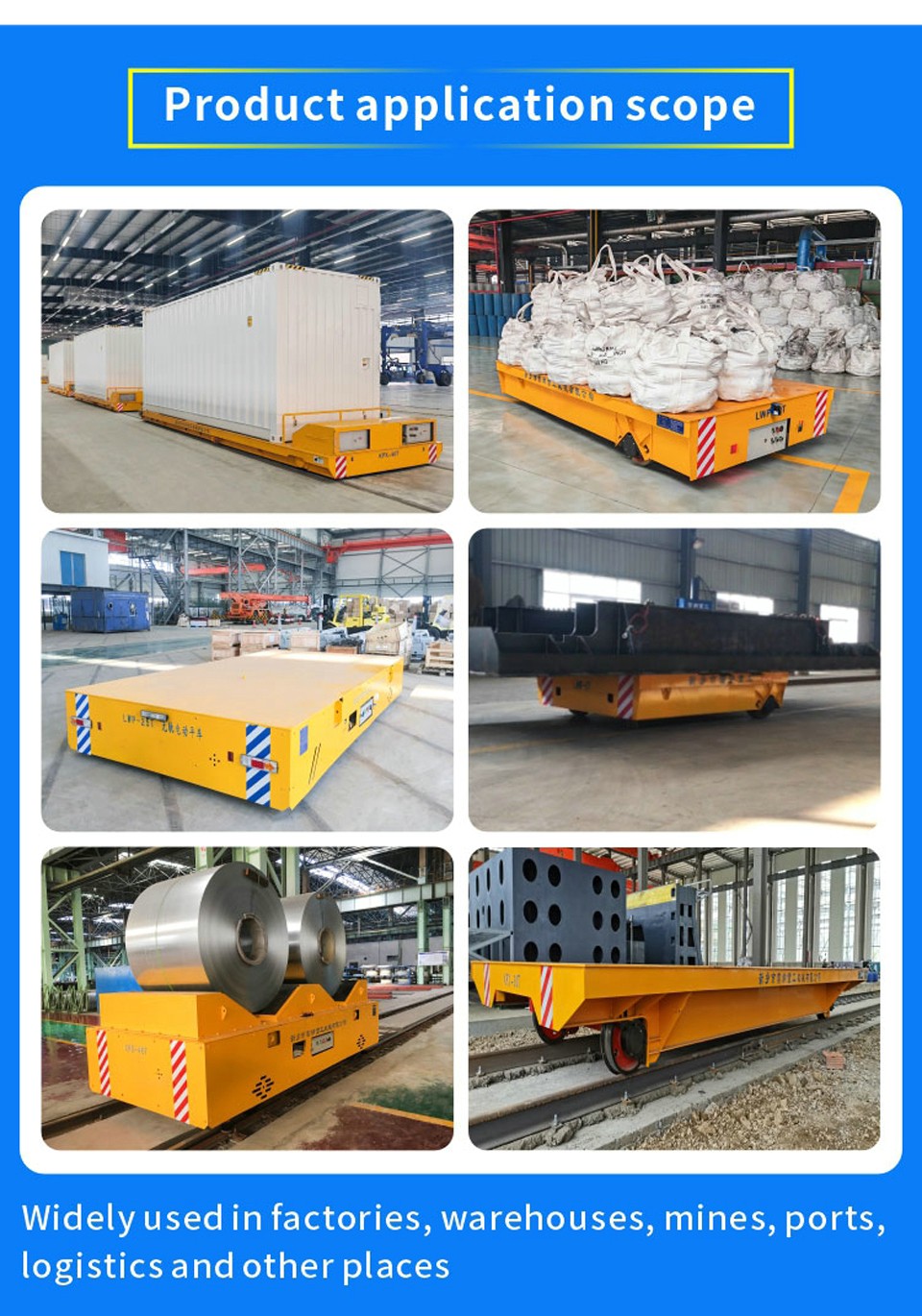
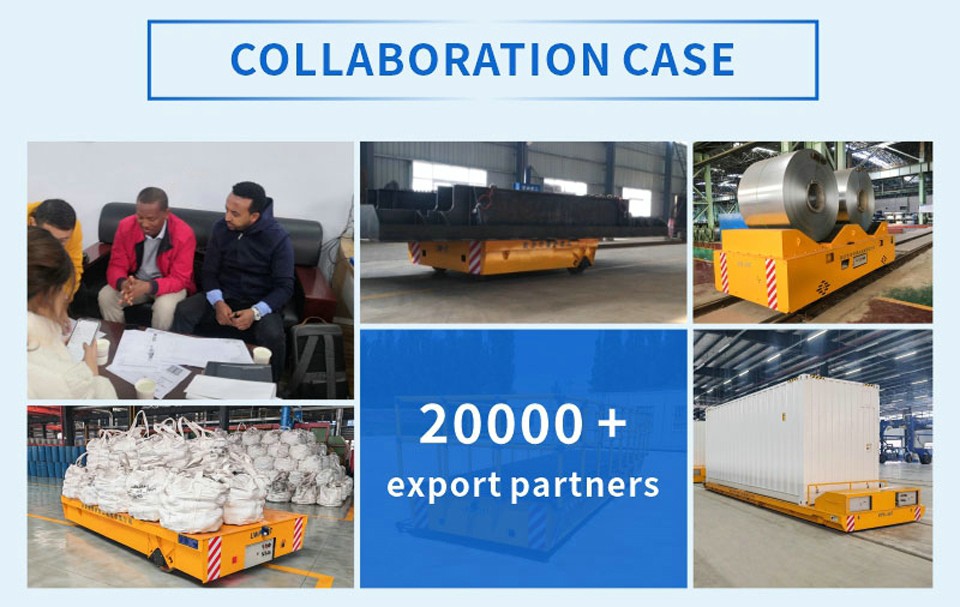
Machinery manufacturing — movement of mechanical parts and tools.
Steel and metal plants — transfer of sheets, profiles, or coils.
Mold and die workshops — mold transport between work areas.
Assembly lines and maintenance zones — auxiliary interbay transfer.
Warehouses — internal goods distribution without electrical systems.
