
 English
 日本
日本 한국인
한국인 Français
 Deutsch
 español
 Italiano
 Portugal
 Việt Nam
 türkiye
 عرب
عرب Русский
 čeština
 แบบไทย
 Eesti
Eesti Gaeilge
 Hmoob
Hmoob íslenskur
 Cymraeg
 български
 اردو
اردو Polski
 Hrvatski
 українська
 bosanski
 فارسی
فارسی lietuvių
 latviski
 עִברִית
 Română
 Ελληνικά
 dansk
dansk Magyar
 norsk
norsk Suomalainen
 Nederlands
 svenska
 slovenský
 Slovenščina
 हिंदी
हिंदी Indonesia
 Melayu
 Malti
Malti Kreyòl ayisyen
 català
 বাংলা
বাংলা Српски
 o'zbek
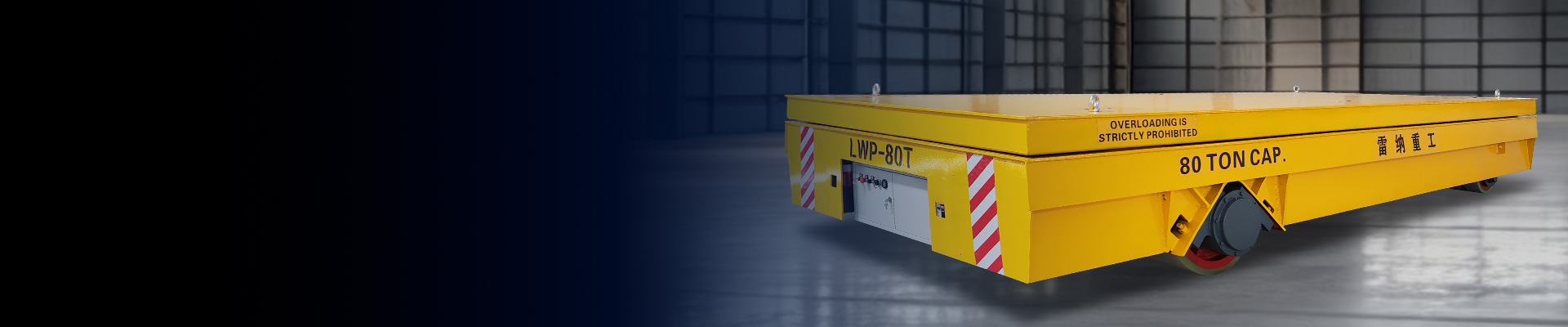
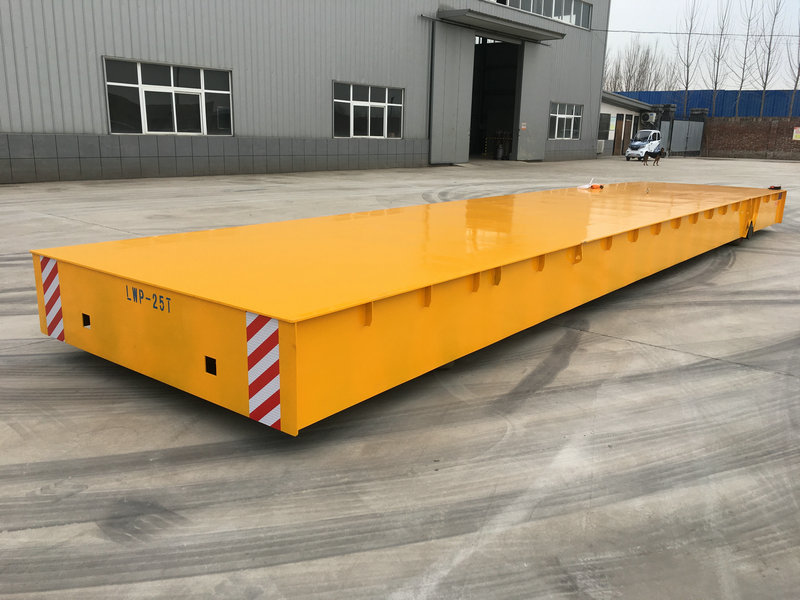
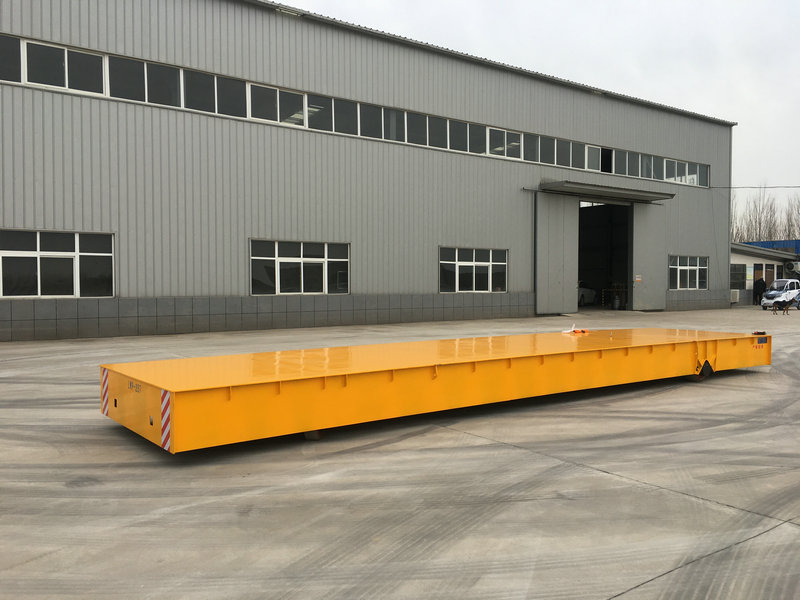
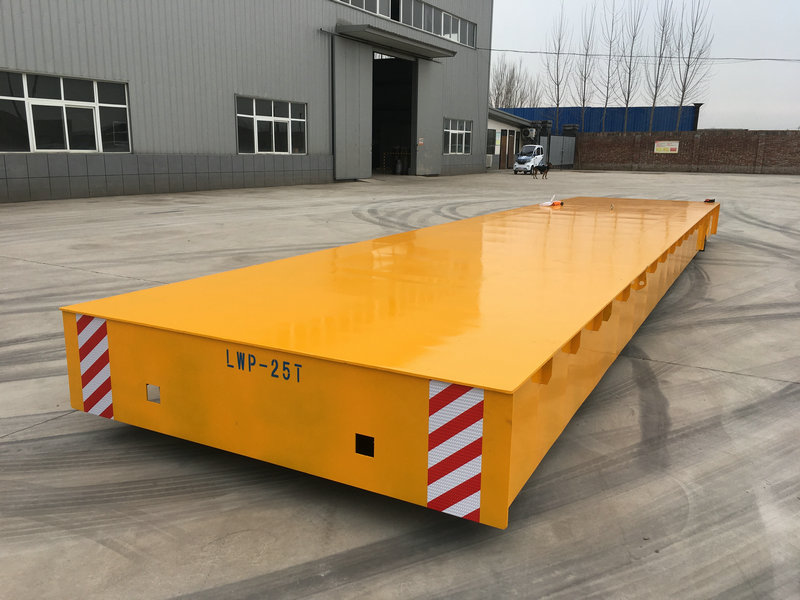
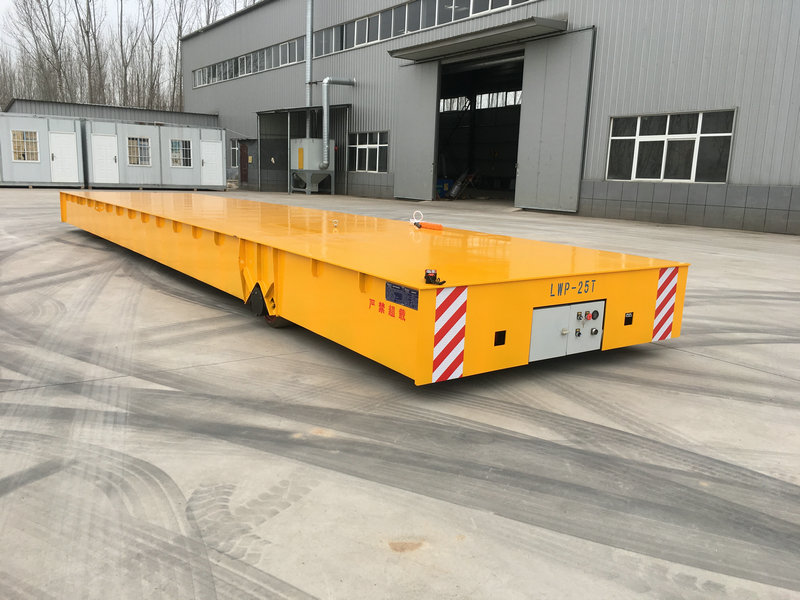
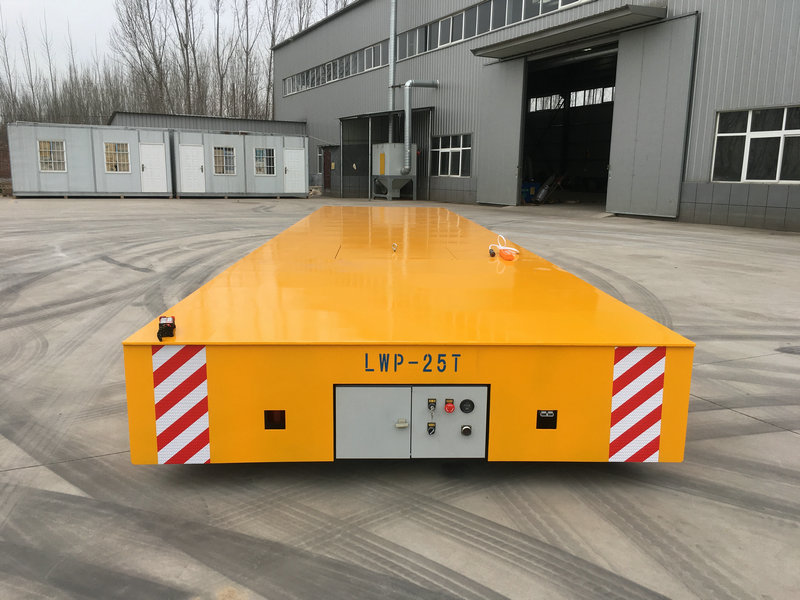
Electric Trackless Material Handling Transfer Trolleys are next-generation industrial transport vehicles designed to move heavy materials efficiently without relying on fixed rail systems. Powered by maintenance-free batteries and equipped with multi-directional steering technology, these trackless transfer carts offer unmatched mobility, safety, and adaptability for modern manufacturing environments.
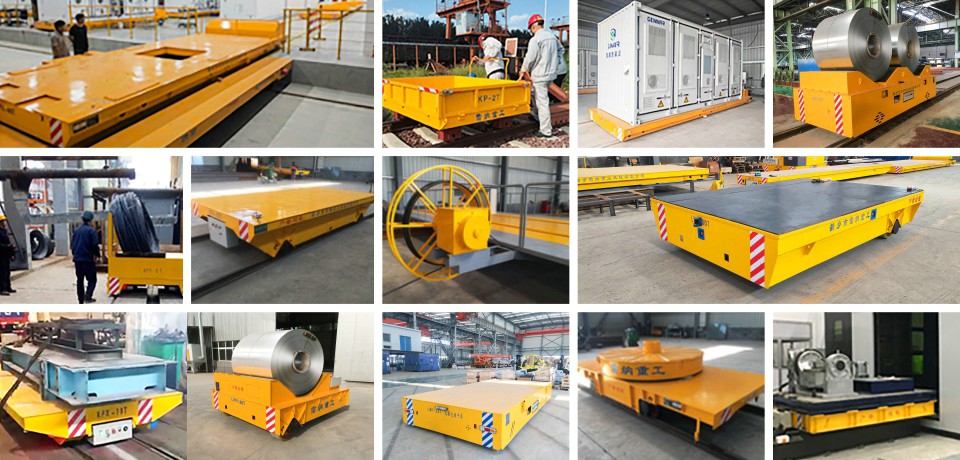
Engineered for factories handling molds, coils, dies, machinery parts, and oversized components, the trolleys deliver smooth transportation across workshop floors, even in narrow aisles or complex pathways. With features such as 360° omnidirectional movement, remote control operation, intelligent safety sensors, and customizable load capacities from 1–200 tons, they have become an essential solution for smart material handling.
Key Features of Electric Trackless Material Handling Transfer Trolleys
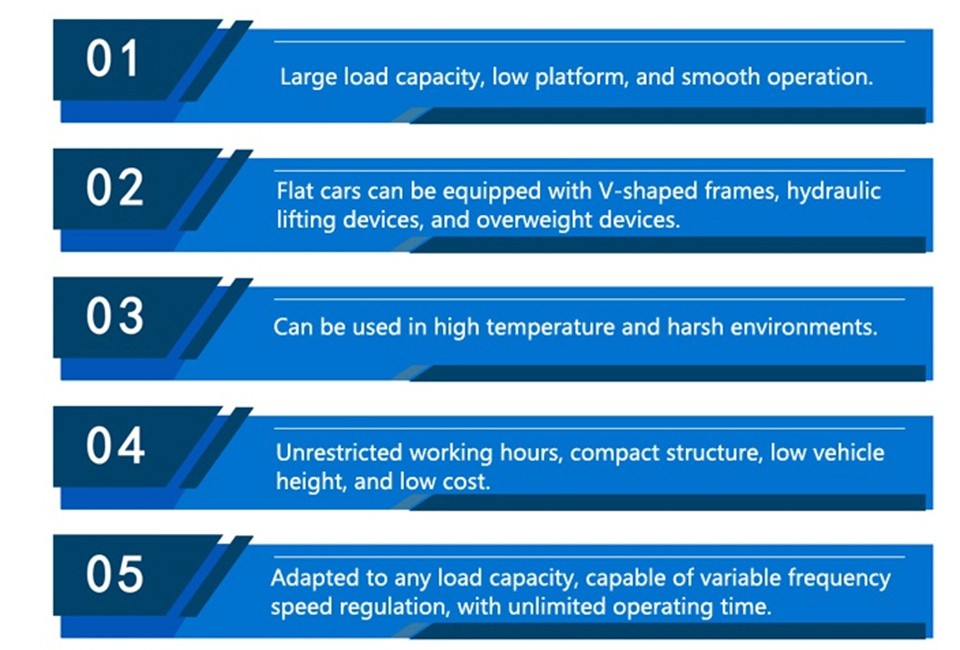
Flexible Movement Without Rails
Operates freely on concrete floors, supporting straight, diagonal, lateral, and rotational movement for maximum maneuverability.High Load Capacity
Supports customizable loading requirements from 1 ton to 200+ tons, ideal for heavy-duty industrial transport.Battery Powered for Continuous Operation
Long-lasting lithium or lead-acid batteries ensure reliable performance with low maintenance.Precision Steering System
Includes 90-degree turning, crab steering, and 360-degree rotation to navigate tight workshop layouts.Advanced Safety Protection
Equipped with laser scanners, emergency stop buttons, speed control, anti-collision sensors, and intelligent brake systems.Customizable Platform
Options include V-frame for coils, hydraulic lift tables, mold clamps, turntables, weighing systems, and explosion-proof components.
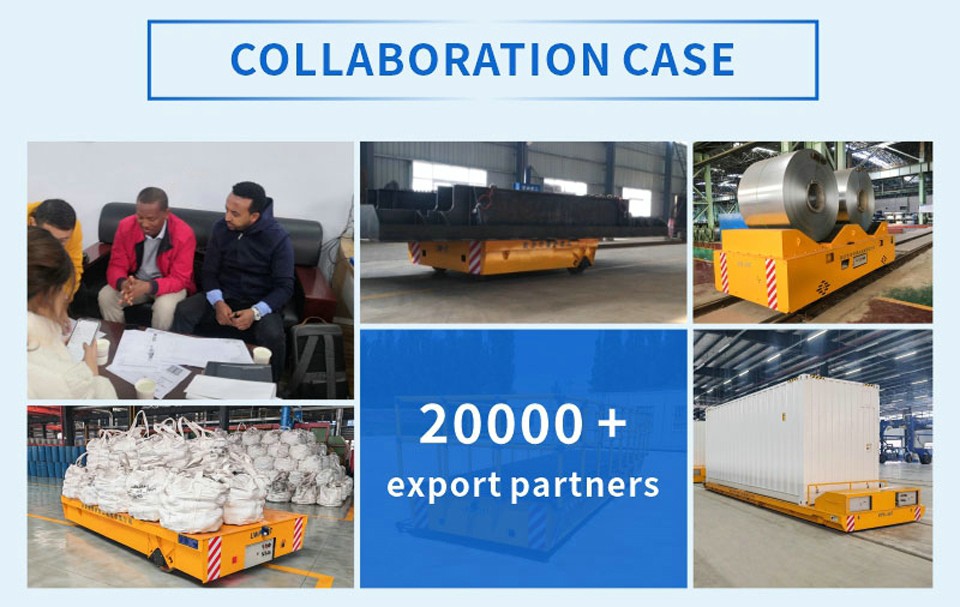
Applications in Industrial Environments
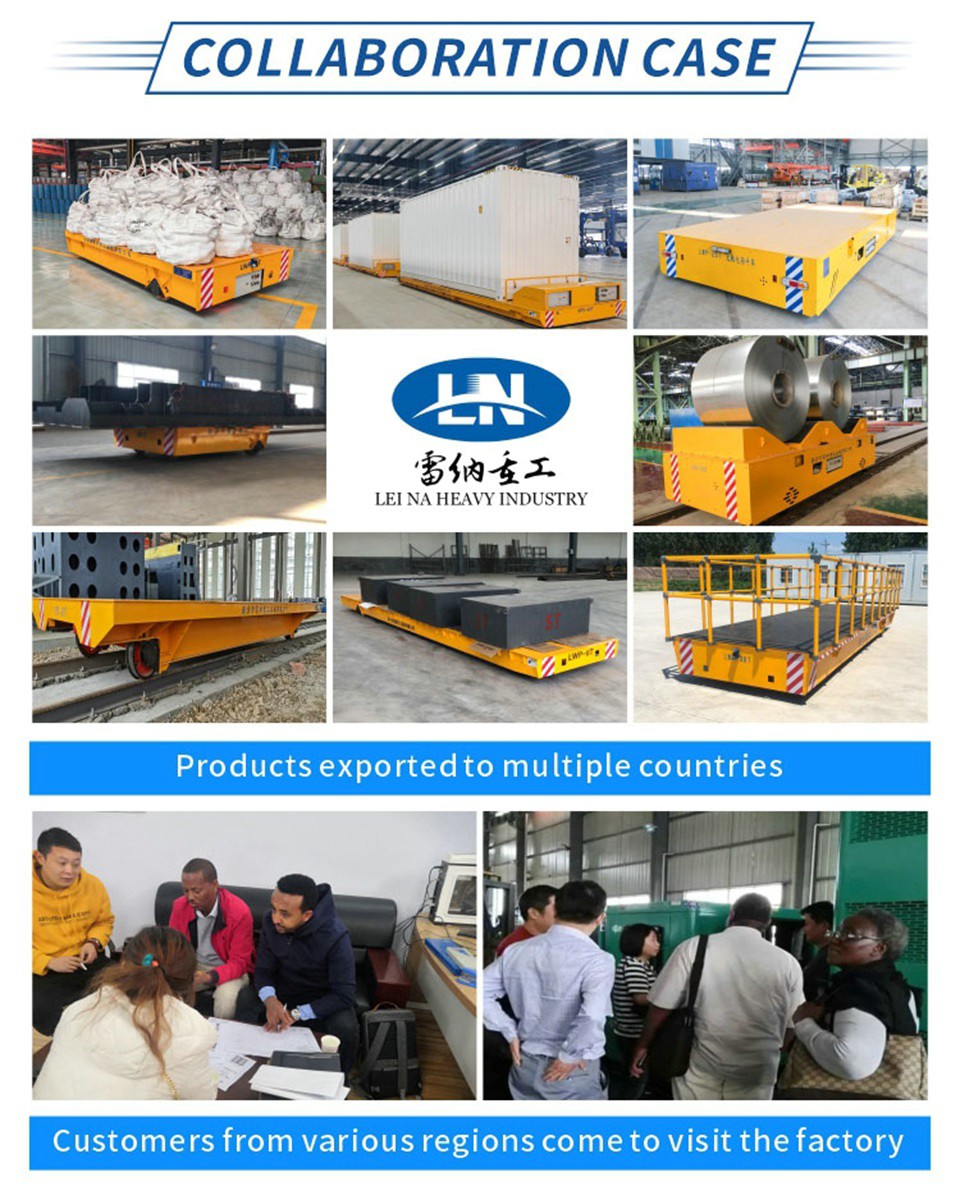
Electric trackless transfer trolleys are widely used across various industries, including:
Automotive Manufacturing – mold and stamping die transfer
Metallurgy & Steel Mills – coil handling and heavy billets
Machinery & Equipment Production – transport of oversized machine components
Aerospace & Defense – precision material movement
Warehouse & Logistics Centers – flexible cargo flow
Foundry & Casting Plants – hot metal and mold transport
Benefits for Factory Operations
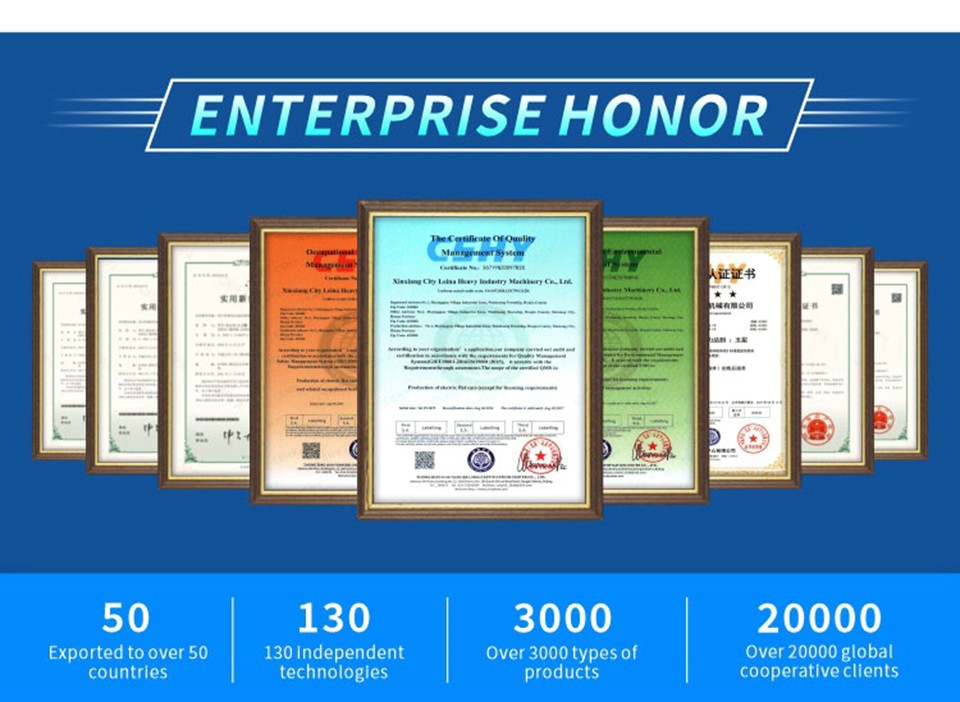
Increased productivity through efficient material flow
Reduced labor and forklift usage
Enhanced workplace safety
Lower long-term operating and infrastructure costs
Greater layout flexibility for future factory expansions